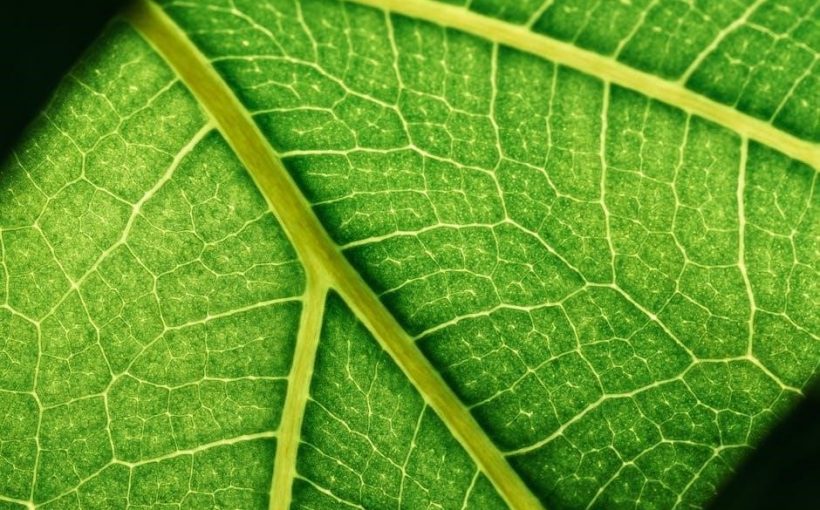
Photosynthesis and cellular respiration are vital processes, interconnected in sustaining life; one captures energy, while the other releases it for cellular functions.
Overview of Energy Production in Living Organisms
Living organisms require energy for all processes, from growth to movement. This energy originates primarily from the sun, harnessed through photosynthesis by plants, algae, and some bacteria.
Photosynthesis converts light energy into chemical energy stored in glucose. However, organisms – including the photosynthesizers themselves – need to access this stored energy. This is where cellular respiration comes in.
Cellular respiration breaks down glucose, releasing energy in the form of ATP (adenosine triphosphate), the primary energy currency of cells. Both processes are fundamental; photosynthesis creates energy-rich molecules, while respiration releases that energy for use. They are complementary, forming a cycle essential for life on Earth.

Photosynthesis: Capturing Light Energy
Photosynthesis is the remarkable process where light energy transforms into chemical energy, specifically glucose, fueling nearly all life on our planet.
The Role of Chloroplasts
Chloroplasts are the organelles within plant cells where photosynthesis takes place. These structures contain chlorophyll, a green pigment crucial for absorbing light energy from the sun. This absorbed light initiates the complex series of reactions that convert carbon dioxide and water into glucose – a sugar providing energy – and oxygen as a byproduct.
The internal structure of a chloroplast is key to its function. It features thylakoids, flattened sac-like membranes arranged in stacks called grana, surrounded by a fluid-filled space known as the stroma. Light-dependent reactions occur within the thylakoids, while the light-independent reactions (Calvin cycle) take place in the stroma. Essentially, chloroplasts are the powerhouses of plant cells, enabling them to create their own food source.
Photosynthetic Equation: Reactants and Products
The overall equation for photosynthesis summarizes the transformation of light energy into chemical energy. It’s represented as: 6CO2 + 6H2O + Light Energy → C6H12O6 + 6O2. This means six molecules of carbon dioxide and six molecules of water, in the presence of light energy, are converted into one molecule of glucose (a sugar) and six molecules of oxygen.
Reactants in this process are carbon dioxide, absorbed from the atmosphere, and water, taken up through the plant’s roots. Products are glucose, used as a source of energy for the plant, and oxygen, released into the atmosphere as a vital byproduct for many living organisms. Understanding this equation is fundamental to grasping how plants sustain themselves and contribute to Earth’s ecosystem.
Light-Dependent Reactions
Light-dependent reactions occur within the thylakoid membranes of chloroplasts, initiating photosynthesis. These reactions capture light energy using chlorophyll and other pigments. This absorbed light energy drives the splitting of water molecules (H2O), releasing oxygen (O2) as a byproduct – the oxygen we breathe!
The energy from light is also used to create two crucial energy-carrying molecules: ATP (adenosine triphosphate) and NADPH. ATP provides readily usable energy, while NADPH carries high-energy electrons. These molecules then power the subsequent light-independent reactions, effectively converting light energy into chemical energy stored in ATP and NADPH, preparing it for glucose synthesis.
Light-Independent Reactions (Calvin Cycle)
Light-independent reactions, also known as the Calvin Cycle, take place in the stroma of the chloroplasts. This cycle utilizes the ATP and NADPH generated during the light-dependent reactions. Carbon dioxide (CO2) from the atmosphere is “fixed,” meaning it’s incorporated into an organic molecule – initially ribulose-1,5-bisphosphate (RuBP).
Through a series of enzymatic reactions, this unstable intermediate is converted into glucose, a sugar that stores chemical energy. The Calvin Cycle regenerates RuBP to continue the process; Essentially, the energy from ATP and the reducing power of NADPH are used to convert inorganic carbon dioxide into organic glucose, providing the building blocks and energy source for plant growth and life.

Cellular Respiration: Releasing Energy from Food
Cellular respiration breaks down food molecules, like glucose, within cells to release energy in the form of ATP, fueling all life processes and functions.
The Role of Mitochondria
Mitochondria are often called the “powerhouses of the cell” due to their central role in cellular respiration. These double-membrane organelles are where the majority of ATP – the cell’s primary energy currency – is generated.
Within the mitochondria, the Krebs cycle and the electron transport chain occur, efficiently extracting energy from glucose and other fuel molecules. The inner mitochondrial membrane is highly folded into structures called cristae, increasing the surface area for these crucial reactions.
Essentially, mitochondria take the products of glycolysis and further process them, ultimately converting the stored chemical energy into a usable form for the cell. Without functional mitochondria, cells would struggle to perform essential tasks, highlighting their indispensable role in life.
Cellular Respiration Equation: Reactants and Products
The overall equation for aerobic cellular respiration summarizes the process of energy release from glucose. It demonstrates how glucose and oxygen are utilized, and what products are generated. The balanced chemical equation is:
C6H12O6 + 6O2 → 6CO2 + 6H2O + ATP
This means one molecule of glucose (C6H12O6) reacts with six molecules of oxygen (6O2) to produce six molecules of carbon dioxide (6CO2), six molecules of water (6H2O), and a significant amount of ATP – adenosine triphosphate – the cell’s usable energy.
Essentially, cellular respiration ‘burns’ glucose in a controlled manner, harnessing the released energy to power cellular activities. The equation highlights the reciprocal relationship with photosynthesis.
Glycolysis: Initial Breakdown of Glucose
Glycolysis, meaning “sugar splitting,” is the first stage of cellular respiration. It occurs in the cytoplasm, not within the mitochondria. During glycolysis, one molecule of glucose (a six-carbon sugar) is broken down into two molecules of pyruvate (a three-carbon molecule).
This process doesn’t require oxygen and yields a small net gain of ATP – two molecules – along with two molecules of NADH, an electron carrier. While glycolysis doesn’t produce a large amount of energy directly, it’s a crucial preparatory step.
The pyruvate molecules then enter the mitochondria (in aerobic respiration) to continue the energy-releasing process through the Krebs cycle.
Krebs Cycle (Citric Acid Cycle)
The Krebs Cycle, also known as the citric acid cycle, takes place in the mitochondrial matrix. Before entering the cycle, pyruvate is converted into Acetyl-CoA. Acetyl-CoA then combines with a four-carbon molecule, initiating a series of chemical reactions.
These reactions release carbon dioxide, and generate ATP, NADH, and FADH2 – key energy-carrying molecules. For each glucose molecule (yielding two pyruvate molecules), the Krebs cycle occurs twice.
The cycle doesn’t directly use oxygen, but it requires oxygen to continue as it regenerates the starting molecule, allowing the cycle to repeat. The primary role of the Krebs cycle is to harvest high-energy electrons and transfer them to electron carriers.
Electron Transport Chain and Oxidative Phosphorylation
The Electron Transport Chain (ETC), located in the inner mitochondrial membrane, receives high-energy electrons from NADH and FADH2. As electrons move through protein complexes, energy is released, pumping protons (H+) into the intermembrane space, creating a proton gradient.
This gradient drives oxidative phosphorylation, where ATP synthase uses the proton flow to generate a large amount of ATP. Oxygen acts as the final electron acceptor, combining with electrons and protons to form water.
This process yields approximately 32-34 ATP molecules per glucose, making it the most efficient stage of cellular respiration. Without oxygen, the ETC halts, significantly reducing ATP production.
Aerobic vs. Anaerobic Respiration
Aerobic respiration utilizes oxygen for efficient energy production, while anaerobic respiration proceeds without it, yielding less ATP through fermentation pathways.
Comparing Oxygen Usage
Oxygen plays dramatically different roles in aerobic and anaerobic respiration. Aerobic respiration fundamentally requires oxygen as the final electron acceptor in the electron transport chain, maximizing ATP production from glucose. This process efficiently breaks down organic compounds, releasing substantial energy. Conversely, anaerobic respiration and fermentation occur in the absence of oxygen.
Without oxygen, the electron transport chain halts, and cells rely on less efficient pathways like glycolysis followed by fermentation. Fermentation regenerates NAD+ needed for glycolysis to continue, but yields only a small amount of ATP. Different organisms employ various fermentation methods – lactic acid fermentation in animals, and alcohol fermentation in yeast, for example – but all share the commonality of not utilizing oxygen. Therefore, oxygen’s presence or absence dictates the pathway and energy yield of cellular respiration.
Fermentation: An Alternative Pathway
Fermentation represents a crucial anaerobic pathway allowing cells to generate ATP when oxygen is scarce. Unlike aerobic respiration, it doesn’t fully break down glucose, instead relying on glycolysis followed by reactions that regenerate NAD+, essential for continued glycolysis; Two primary types exist: lactic acid fermentation, occurring in muscle cells during intense exercise, producing lactic acid, and alcohol fermentation, utilized by yeast, yielding ethanol and carbon dioxide.
While fermentation allows for continued, albeit limited, ATP production, it’s significantly less efficient than aerobic respiration. It doesn’t involve the Krebs cycle or electron transport chain, resulting in a net gain of only two ATP molecules per glucose. Fermentation is vital for certain organisms and processes, like brewing and baking, but isn’t a sustainable long-term energy solution for most complex life forms.

Comparing and Contrasting Photosynthesis and Cellular Respiration
Photosynthesis and cellular respiration are complementary processes; one builds sugars using light, while the other breaks them down for energy, forming a vital cycle.
Similarities in Processes
Despite their apparent differences, photosynthesis and cellular respiration share fundamental similarities as crucial biochemical pathways. Both processes involve a series of enzyme-catalyzed reactions, meticulously orchestrated to transform energy and matter.
Crucially, both rely on electron transport chains to facilitate energy transfer, albeit in reverse directions. They both utilize redox reactions – one process oxidizes molecules while the other reduces them – driving energy conversions. Furthermore, both processes involve cyclical pathways, ensuring efficient resource utilization.
Both are essential for maintaining life on Earth, contributing to the global carbon cycle and energy flow. They both involve the creation and use of energy-carrying molecules, though photosynthesis creates these molecules (like glucose) and cellular respiration breaks them down to release energy.
Key Differences: Location, Reactants, and Products
Photosynthesis and cellular respiration diverge significantly in their location, reactants, and products. Photosynthesis occurs within chloroplasts, utilizing light energy, water, and carbon dioxide to produce glucose and oxygen. Conversely, cellular respiration takes place in the mitochondria, breaking down glucose with oxygen to yield ATP, carbon dioxide, and water.
The equations highlight this: photosynthesis builds sugars, while respiration breaks them down. Reactants for one process are often the products of the other, demonstrating a reciprocal relationship.
Essentially, photosynthesis stores energy in glucose, and cellular respiration releases that stored energy for cellular work. These contrasting processes are fundamental to energy flow within ecosystems.
Interdependence of Photosynthesis and Cellular Respiration
Photosynthesis and cellular respiration are not isolated events but rather intricately linked processes forming a vital cycle. Photosynthesis generates oxygen and glucose, which serve as the essential reactants for cellular respiration. In turn, cellular respiration produces carbon dioxide and water – the very ingredients photosynthesis requires.
This reciprocal relationship underscores their interdependence; one process sustains the other. The energy captured by photosynthesis is released by respiration, fueling life’s processes.
Essentially, they represent complementary sides of the same coin, maintaining a balance of energy and matter within ecosystems, highlighting how life sustains itself through these interconnected pathways.
Visual Aids for Understanding
Recap maps of photosynthesis and detailed charts of cellular respiration, alongside anchor charts, effectively illustrate complex processes for enhanced comprehension.
Photosynthesis Recap Maps
Photosynthesis recap maps are invaluable tools for visually summarizing the intricate steps of this energy-capturing process. These maps typically begin with sunlight and water intake by plants, leading to the crucial role of chloroplasts.
They clearly delineate the two main stages: light-dependent reactions, where light energy is converted into chemical energy, and the light-independent reactions (Calvin Cycle), where carbon dioxide is fixed into glucose.
Effective maps highlight the reactants – carbon dioxide and water – and the products – glucose and oxygen. They often include diagrams of chloroplast structure and simplified equations. Utilizing color-coding and concise labels enhances understanding and retention, making complex biological pathways more accessible for students.
Cellular Respiration Charts and Anchor Charts
Cellular respiration charts and anchor charts are essential for visualizing the stages of energy release from food. These resources typically illustrate the process beginning with glycolysis in the cytoplasm, followed by the Krebs Cycle within the mitochondria.
Key components include a clear depiction of the electron transport chain and oxidative phosphorylation, highlighting ATP production. Charts often compare aerobic and anaerobic respiration, emphasizing oxygen’s role.
Effective anchor charts showcase the overall equation – glucose plus oxygen yielding carbon dioxide, water, and ATP – and clearly label reactants and products. Visual cues, like color-coding and diagrams of mitochondrial structure, aid comprehension and serve as quick references during study.
Applications and Importance
Photosynthesis and cellular respiration underpin most ecosystems, driving energy flow and nutrient cycles, and are fundamentally important for human survival.
Ecological Significance
Photosynthesis forms the foundation of nearly all food chains, converting light energy into chemical energy stored in organic molecules, fueling ecosystems globally. Plants, algae, and some bacteria, as primary producers, utilize this process, creating biomass consumed by herbivores, and subsequently, carnivores.
Cellular respiration, conversely, releases the energy stored within these organic molecules, enabling all living organisms – from microbes to mammals – to perform life functions. This reciprocal relationship ensures energy flows through ecosystems, with photosynthesis capturing it and cellular respiration utilizing it.
The balance between these two processes is crucial for maintaining atmospheric oxygen and carbon dioxide levels, impacting climate regulation and overall ecological stability. Disruptions to either process can have cascading effects throughout the entire biosphere.
Relevance to Human Life
Photosynthesis directly sustains human life by providing the oxygen we breathe and the food we eat, either directly through plant consumption or indirectly through animal products. Agriculture, fundamentally reliant on photosynthesis, is the cornerstone of our food supply, impacting global economies and societal structures.
Cellular respiration is equally vital, as it powers every bodily function, from muscle contraction and nerve impulse transmission to maintaining body temperature and synthesizing essential molecules. Understanding this process is crucial for addressing metabolic disorders and developing effective treatments.
Furthermore, both processes are relevant to renewable energy sources; biofuels derive from photosynthetic organisms, while research into artificial photosynthesis aims to create sustainable energy solutions for the future.
Study Tips and Resources
Utilize charts and maps to visualize the complex steps of photosynthesis and cellular respiration; online resources offer interactive diagrams and practice quizzes.
Creating Effective Study Charts
To construct impactful study charts for photosynthesis and cellular respiration, begin by dividing a page into distinct sections. Clearly label columns for each process, including ‘Reactants,’ ‘Products,’ ‘Location’ (chloroplasts or mitochondria), and ‘Equation.’
Use concise bullet points to summarize key details within each category. Color-coding can visually differentiate between the two processes, enhancing memorization. Include diagrams illustrating the flow of energy and molecules.
Consider a comparative chart highlighting similarities and differences. For example, both involve energy transformations, but one stores energy while the other releases it. Regularly reviewing and updating these charts will solidify your understanding, serving as excellent notes or assessment tools.
Online Resources for Further Learning
Numerous online platforms offer comprehensive resources for deepening your understanding of photosynthesis and cellular respiration. Khan Academy provides free video tutorials and practice exercises covering these topics in detail.
Bozeman Science offers clear, concise explanations with accompanying visuals, ideal for reinforcing key concepts. Explore interactive simulations from PhET Interactive Simulations to visualize the processes dynamically.
GCSE Biology resources, like those found on YouTube, present recap maps and guided courses. Websites dedicated to biology, such as Biology LibreTexts, provide in-depth articles and diagrams. Utilize these resources to supplement your studies and gain a more holistic grasp of these essential life processes.