
G35 Transmission: A Comprehensive Guide
Navigating the complexities of the G35 transmission requires understanding both automatic and manual options, alongside potential fuel consumption differences and inherent issues.
The Infiniti G35, a popular sports coupe and sedan, offered drivers a choice between automatic and manual transmissions. While both options deliver a spirited driving experience, understanding their nuances is crucial for ownership. The manual transmission, favored by enthusiasts, provides greater control and engagement, though it demands more driver involvement. Conversely, the automatic transmission prioritizes convenience, especially in daily commuting scenarios.
However, the G35’s automatic transmission has garnered a reputation for potential reliability concerns, particularly with increasing mileage. Reports suggest issues like shifting delays, rough shifting, and even complete failure around the 100,000-mile mark. Fuel consumption is also a noted difference, with automatic transmissions generally using approximately 1 liter more fuel per 100km compared to their manual counterparts. Careful maintenance, including regular fluid checks, is paramount to mitigating these risks and ensuring a long lifespan for either transmission type.
Common G35 Transmission Problems
While the G35’s manual transmission is generally considered more robust than the automatic, it isn’t entirely immune to issues. However, the majority of reported problems center around the automatic variant. Common complaints include noticeable shifting delays, often accompanied by rough or jerky gear changes. Drivers have also described experiencing grinding noises during acceleration, indicating potential internal wear. Shaking at various speeds is another frequently cited symptom, potentially stemming from transmission instability.
More alarming are reports of unusual noises – whistling sounds or the distinct smell of burning – emanating from under the hood, signaling serious internal damage. Specific model years, like the 2003 and 2007, appear to have higher failure rates, with some owners facing complete transmission replacement shortly after exceeding 100,000 miles. Contamination from radiator issues and general wear and tear contribute significantly to these failures.

Shifting Delays and Rough Shifting
Shifting delays and rough shifting are among the most frequently reported issues with the G35’s automatic transmission, though less common in the manual variant. These symptoms often manifest as a hesitation when attempting to change gears, followed by a noticeable jolt or harsh engagement. This can occur across all gear ranges and at varying speeds, creating an unpleasant driving experience. The root cause can range from low or contaminated transmission fluid to internal component wear within the valve body or clutch packs.
A failing torque converter can also contribute to these problems. In severe cases, the transmission may struggle to select the correct gear, leading to erratic acceleration or a complete inability to shift. Addressing these issues promptly is crucial to prevent further damage and potential transmission failure, potentially requiring a complete replacement.
Grinding During Acceleration
Grinding noises during acceleration are a concerning symptom indicating potential issues within the G35’s transmission, often linked to worn synchronizers in the manual transmission, or damaged gears in the automatic. This harsh, metallic sound typically occurs when attempting to engage a gear while the vehicle is in motion, particularly during upshifts. The grinding suggests that the gears aren’t fully meshing before torque is applied, causing them to clash.
Low transmission fluid levels, or fluid contaminated with metal particles, can exacerbate this problem in automatics. In manual transmissions, worn clutch components or a faulty clutch master/slave cylinder can also contribute. Ignoring grinding noises can lead to significant gear damage and ultimately, transmission failure, necessitating costly repairs or a complete replacement.
Shaking at Various Speeds
Experiencing vibrations or shaking at different speeds within your G35 can signal underlying transmission problems, potentially stemming from imbalances or internal damage, impacting both automatic and manual systems. This symptom often manifests as a rhythmic shudder felt through the floorboard or steering wheel, intensifying with speed. In manual transmissions, a worn or damaged driveshaft U-joint or center support bearing could be the culprit, causing vibrations that mimic transmission issues.
For automatics, failing torque converter components or internal clutch pack wear can induce shaking. Low transmission fluid or contaminated fluid can also contribute. It’s crucial to diagnose the source accurately, as ignoring these vibrations can lead to further damage and potentially unsafe driving conditions, requiring immediate attention from a qualified mechanic.
Unusual Noises (Whistling, Burning Smells)
Detecting atypical sounds – like whistling or experiencing burning smells – emanating from your G35’s transmission demands immediate investigation, regardless of whether it’s a manual or automatic setup. A whistling noise often indicates a vacuum leak within the transmission system, potentially affecting pressure regulation and shift quality. Burning smells, however, are far more concerning, typically signaling overheating due to low fluid levels or internal friction caused by worn components.
In manual transmissions, grinding or whining noises during gear changes suggest worn synchronizers or damaged gears. For automatics, these smells could indicate slipping clutches. Ignoring these warning signs can lead to catastrophic failure, necessitating costly repairs or a complete transmission replacement. Prompt diagnosis and repair are essential to prevent further damage and ensure safe operation.
Specific Model Year Issues
G35 transmission reliability varied significantly across model years, impacting both automatic and manual transmission equipped vehicles. The 2003 G35, according to owner reports, exhibited a higher incidence of early transmission failure, often around the 100,000-mile mark, leading to complete replacement and substantial costs. Owners frequently expressed dissatisfaction with the premature degradation of the transmission.
The 2004 model year also presented transmission concerns, mirroring some of the issues seen in 2003, including shifting problems. Notably, the 2007 G35 faced unique challenges, particularly with vehicles that had spent extended periods impounded, potentially exacerbating wear and tear. While specific manual transmission issues weren’t explicitly detailed, the overall transmission fragility across these years suggests potential vulnerabilities regardless of the transmission type;
2003 G35 Transmission Reliability
The 2003 Infiniti G35 transmission, both automatic and potentially manual variants, demonstrated a concerning pattern of early failure based on owner experiences. Reports indicate a significant number of transmissions required complete replacement around the 100,000-mile threshold, representing a substantial financial burden for owners. This premature failure rate sparked considerable frustration within the G35 community.
While specific data differentiating manual versus automatic transmission failure rates in 2003 is limited, the widespread complaints suggest a systemic issue affecting the drivetrain. Owners actively sought to divest themselves of the vehicle after encountering these problems, highlighting the severity of the reliability concerns. The cost of replacement was frequently cited as “ridiculous” given the relatively early mileage.
2004 G35 Transmission Concerns
In 2004, Infiniti G35 transmissions continued to exhibit a range of issues, impacting both automatic and potentially manual configurations. Owners reported experiencing several symptoms indicative of transmission problems, including noticeable shifting delays, unsettling grinding noises during acceleration, and vibrations felt throughout the vehicle at various speeds. These issues significantly detracted from the driving experience.
Furthermore, unusual auditory cues, such as whistling sounds or the distinct odor of burning, often signaled underlying transmission distress. While specific failure rates for manual transmissions in 2004 aren’t readily available, the consistent pattern of problems across the G35 model line suggests potential vulnerabilities. Addressing these concerns promptly was crucial to prevent further damage and costly repairs.
2007 G35 Transmission Issues & Impounded Vehicle History
The 2007 Infiniti G35 faced notable transmission challenges, particularly concerning vehicles with a history of prolonged impoundment. A specific case highlighted a G35 purchased with significant prior impound time – approximately 2 to 3 years – where the transmission failed within just three weeks of ownership. This raises concerns about the impact of extended inactivity on transmission components, even with subsequent mileage adjustments by the dealer.
While data specifically isolating manual transmission failures in these scenarios is limited, the accelerated failure suggests potential degradation of seals, fluids, or internal parts during impoundment. The incident underscores the importance of thoroughly investigating a vehicle’s history, especially regarding impoundment, before purchase, to assess potential transmission risks.
Causes of G35 Transmission Failure
Several factors contribute to G35 transmission failures, impacting both automatic and, though less frequently reported, manual transmissions. A primary concern is transmission fluid contamination, often stemming from internal radiator issues, allowing coolant to mix with the fluid and compromise its lubricating properties. High mileage, exceeding 100,000 miles, significantly increases wear and tear on internal components, leading to eventual failure.
Furthermore, problems with the Torque Position (TP) sensor can disrupt the control module’s operation, particularly affecting manual mode functionality in automatic transmissions. While less common in manual systems, sensor malfunctions can still contribute to erratic shifting or complete failure. General wear, aggressive driving habits, and insufficient maintenance also accelerate transmission degradation over time.
Transmission Fluid Contamination (Radiator Issues)
A significant cause of G35 transmission failure, impacting both automatic and manual systems, is fluid contamination originating from the radiator. The G35’s design allows for potential mixing of coolant and transmission fluid, particularly as the radiator ages and its internal seals degrade. This contamination drastically reduces the fluid’s lubricating properties, accelerating wear on gears, bearings, and other vital components.
Even in manual transmissions, compromised radiator seals can introduce coolant, though the impact differs due to the system’s design. Regular inspection of the transmission fluid for a pinkish hue – indicative of coolant presence – is crucial. Addressing radiator leaks promptly and performing thorough transmission fluid flushes can mitigate this risk, extending the transmission’s lifespan.
Wear and Tear with High Mileage (100,000+ Miles)

As G35s surpass 100,000 miles, both automatic and manual transmissions exhibit increased susceptibility to wear and tear, demanding proactive maintenance. Internal components, subjected to constant stress, naturally degrade over time. Clutch wear is a primary concern in manual transmissions, leading to slipping and difficulty engaging gears. Automatic transmissions experience wear on clutches, bands, and valve bodies, contributing to shifting issues.
Reports indicate a surge in transmission failures around the 100,000-mile mark, particularly in 2003 models. Regular fluid changes, though preventative, cannot entirely halt this process. Expect increased maintenance needs and potential for costly repairs as mileage accumulates. A thorough inspection by a qualified mechanic is vital to identify and address emerging issues before they escalate.
Torque Sensor (TP Sensor) Problems & Manual Mode Issues
The Torque Position (TP) sensor plays a crucial role in the G35’s transmission control module, impacting both automatic and manual mode functionality. A faulty TP sensor can disrupt the transmission’s ability to accurately determine engine load and driver intent, leading to erratic shifting or complete failure to engage gears. This is particularly noticeable when attempting to utilize manual mode, where precise input is essential.
Issues with the TP sensor often manifest as problems with the automatic transmission’s response, but can also directly affect the manual override system. Diagnostic testing should include verifying the sensor’s output signal. Addressing TP sensor problems is vital for restoring smooth operation and preventing further damage to the transmission system, ensuring optimal performance in both drive modes.
Diagnosing G35 Transmission Problems
Accurate diagnosis is paramount when addressing G35 transmission issues, requiring a systematic approach to differentiate between engine and transmission-related faults. A key initial test involves a simple engine rev test: elevate the engine RPM while the vehicle is stationary in Park or Neutral. Observe if the issue replicates at higher engine speeds; if it does, the problem likely resides within the engine itself, not the transmission.
However, if the issue only appears during engagement or while driving, the transmission is the primary suspect. Further investigation should include checking transmission fluid levels and condition, scanning for diagnostic trouble codes (DTCs), and assessing for any mechanical noises. Careful observation and methodical testing are crucial for pinpointing the root cause.

Engine Rev Test for Differentiation (Engine vs. Transmission)
The engine rev test serves as a foundational diagnostic step for G35 transmission concerns, effectively isolating whether the problem originates within the engine or the transmission itself. This straightforward procedure involves elevating the engine’s RPMs while the vehicle remains stationary and in either Park or Neutral gear.
Carefully observe if the problematic symptom – such as shaking, unusual noises, or erratic behavior – manifests during this elevated engine speed. If the issue persists or worsens with increased RPMs, it strongly suggests an engine-related fault. Conversely, if the symptom only appears when the transmission is engaged (Drive, Reverse), the transmission is the likely source of the trouble. This test provides a crucial initial direction for further, more detailed diagnostics.

G35 Transmission Repair Options
Addressing G35 transmission issues presents several repair avenues, ranging in complexity and cost, depending on the nature and severity of the problem. For minor issues, a transmission fluid flush and filter replacement might suffice, particularly if contamination is suspected – a known issue with potential radiator leaks affecting the transmission. However, more significant problems often necessitate more extensive interventions.
A complete transmission rebuild offers a cost-effective alternative to replacement, involving disassembly, inspection, and replacement of worn or damaged components. However, the most definitive, albeit expensive, solution is a complete transmission replacement with a new or remanufactured unit. Considering the reported early failures, especially in 2003 models reaching 100,000 miles, a thorough assessment is crucial before committing to any repair path.
Complete Transmission Replacement
Opting for a complete G35 transmission replacement represents the most substantial, and often most reliable, solution to persistent or severe transmission problems. This involves removing the faulty transmission and installing a new, remanufactured, or used (but verified functional) unit. While costly, it offers a fresh start, eliminating the uncertainties associated with rebuilding an aging component.
The process typically includes disconnecting all associated linkages, electrical connections, and fluid lines. Careful consideration should be given to the source of the replacement transmission, prioritizing reputable suppliers with warranties. Given reports of early failures, particularly in 2003 models exceeding 100,000 miles, and concerns regarding impounded vehicle histories in 2007 models, due diligence is paramount. Post-installation, a thorough fluid fill and system check are essential for optimal performance;
G35 Transmission Maintenance
Proactive G35 transmission maintenance is crucial for longevity, mitigating potential issues like shifting delays and internal damage. Regular transmission fluid checks are paramount, as contamination – often stemming from radiator issues – is a known failure point. Unlike manual transmissions requiring less frequent fluid changes, the G35’s automatic system demands attention.
It’s acknowledged that automatic transmissions generally exhibit higher fuel consumption, potentially using 1 liter more per 100km compared to their manual counterparts. While a manual G35 transmission isn’t widely discussed in failure reports, consistent fluid level and condition monitoring remain vital for all G35 transmissions. Addressing minor issues promptly can prevent escalation into costly replacements, especially considering experiences reported with models exceeding 100,000 miles.
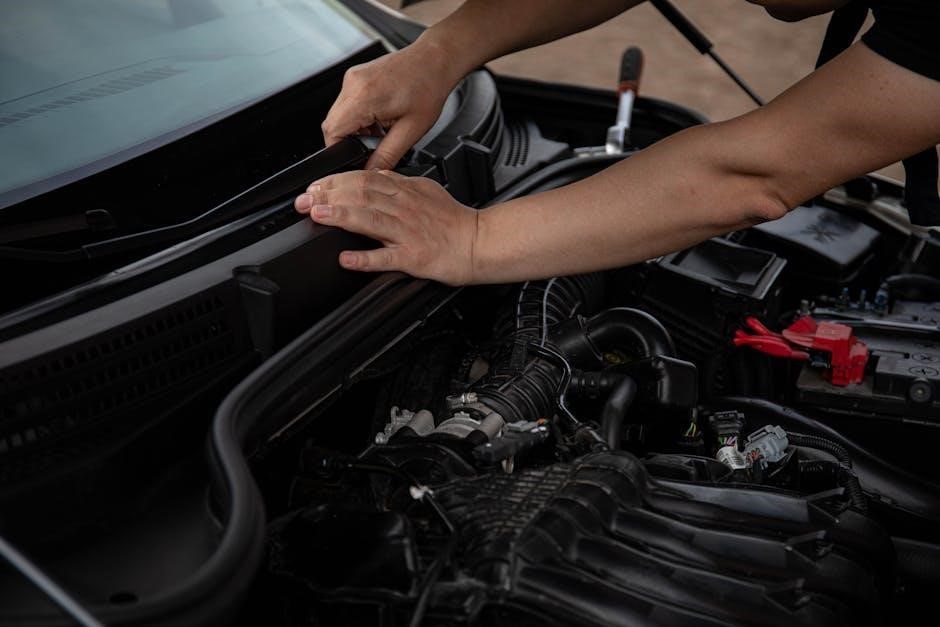
Automatic Transmission Fuel Consumption (Compared to Manual)
A notable distinction between G35 automatic and manual transmissions lies in fuel efficiency. Owners have consistently reported that the automatic transmission exhibits increased fuel consumption, generally estimated at around 1 liter more per 100 kilometers traveled. This difference stems from the inherent energy losses within the automatic system’s torque converter and hydraulic mechanisms.

While discussions surrounding manual G35 transmissions are less prevalent in reported failure data, the fuel economy advantage remains a key consideration for drivers prioritizing efficiency. The manual transmission’s direct mechanical linkage minimizes energy dissipation, resulting in improved mileage. However, the availability of a manual G35 is limited, making the automatic the more common choice, despite the fuel consumption trade-off.
Importance of Regular Fluid Checks
Consistent monitoring of transmission fluid is paramount for G35 longevity, regardless of whether it’s an automatic or, less commonly, a manual transmission. A primary concern is potential contamination, particularly from the radiator, where internal failures can introduce debris into the transmission system. This contamination accelerates wear and tear, leading to shifting problems and eventual failure.
Regular fluid checks – ideally every 30,000 miles or annually – allow for early detection of discoloration, metallic particles, or a burnt smell, all indicators of underlying issues. While manual transmissions require less frequent fluid changes, neglecting this maintenance can still result in gear wear and synchronization problems. Proactive fluid maintenance is a cost-effective measure to prevent expensive repairs or complete transmission replacement.

Cost of G35 Transmission Repair/Replacement
G35 transmission repair costs vary significantly based on the issue and whether a rebuild, repair, or full replacement is necessary. Simple fixes, like addressing a torque sensor problem, might range from $300 to $600. However, more extensive issues, particularly those surfacing after 100,000 miles, can escalate quickly.
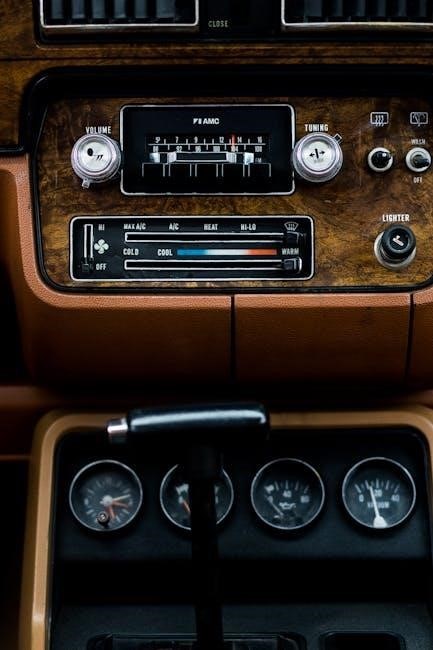
A complete transmission replacement, especially for the 2003 model year where failures are reported around this mileage, can easily exceed $3,000 ⎼ $4,000, including parts and labor. Used transmissions offer a cheaper alternative, potentially costing between $1,500 and $2,500, but carry inherent risks regarding their condition and warranty. Manual transmission repairs, while less frequent, can still be costly depending on the specific component needing attention.